

Easy Garden Organization Ideas 2026: 7 Smart Tips
Table of Contents
- Quick Comparison: Best Garden Organization Products
- Small Garden Storage Solutions That Maximize Every Inch
- Vertical Garden Design Ideas for 2026
- DIY Garden Tool Organization on a Budget
- Easy Garden Organization Ideas for Seasonal Maintenance
- Climate-Resilient Organization for 2026
- Accessibility-Focused Organization for Every Gardener
- Conclusion
- Frequently Asked Questions
Last Updated: September 21, 2026
Quick Comparison: Best Garden Organization Products
Easy garden organization ideas 2026 start with one honest admission: most gardens don't fail from lack of space. They fail from clutter. This guide from M & R Homestead breaks down seven practical setups that keep tools, pots, and plants working together instead of fighting for the same square foot.
Here's what matters most before you buy anything: match the product to your constraint. Small patios need vertical storage. Renters need folding frames they can move. Anyone with a bad back needs seating built into the work itself.
| Product | Price | Best For | Key Spec |
|---|---|---|---|
| Foldable Garden Kneeler And Seat | $37.99 | Tool + body storage | 330 lb capacity, 4.3 in folded |
| Folding Bamboo Plant Stand | $58.99 | Renters, small corners | 27.5 x 15.5 x 37.8 in |
| Raised Garden Bed Planter With Trellis | $47.99 | Climbing vegetables | Self-watering reservoir |
| SucceBuy 3 Outlet Water Timer | $55.99 | Multi-zone watering | 3 independent outlets |
Small Garden Storage Solutions That Maximize Every Inch
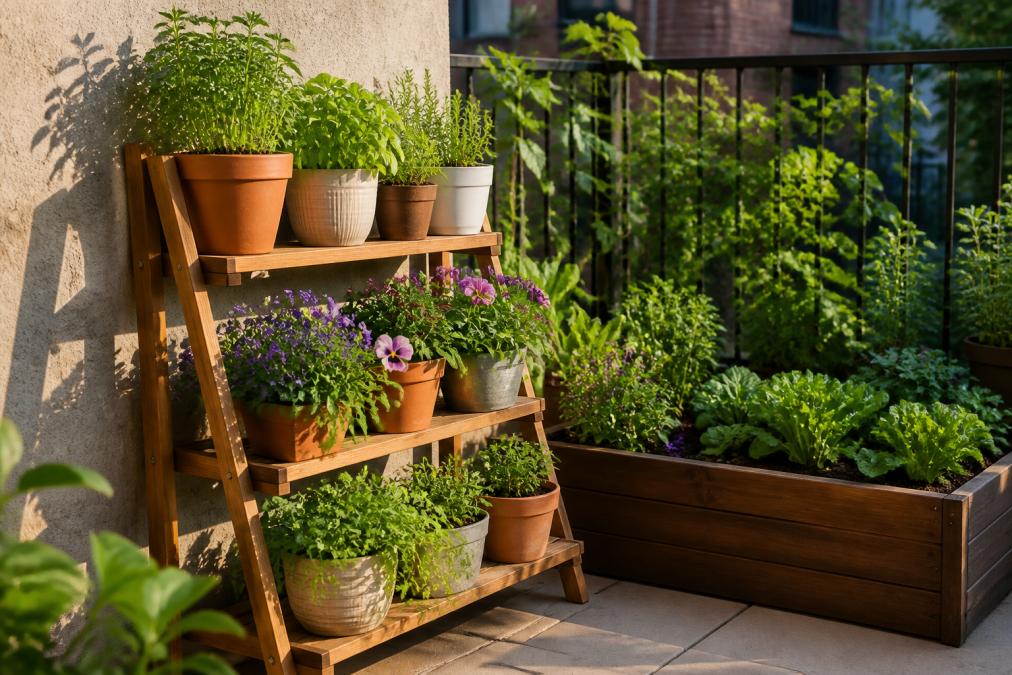
Small garden storage works best when it moves upward, not outward. A compact footprint plus vertical tiers beats a wide layout in almost every tight yard.

Multi-Tier Plant Stands for Compact Spaces
Multi-tier stands turn dead corners into growing space. The Wisfor Wooden Multi Tier Plant Shelf ($69.99) holds ten-plus plants across a 46 x 45 inch footprint, with bottom shelves rated to 66 pounds each. For a taller indoor setup, the Tribesigns 5 Tier Indoor Plant Stand ($163.99) fits eight standard pots plus a top bonsai spot and ships with ten S-hooks for trailing foliage.
Raised Beds and Self-Watering Planters
Raised beds solve two problems at once: they save your back and they keep pests off young plants. The Raised Garden Bed Planter With Trellis ($47.99) adds a self-watering reservoir that keeps soil hydrated for several days, plus a built-in trellis for tomatoes and climbing flowers. Prefer solid wood? The Wooden Raised Flower Bed ($50.99) comes in three sizes with a 33 to 88 pound load range.

Vertical Garden Design Ideas for 2026
Vertical garden design ideas for 2026 lean toward structures that fold, stack, and move, and that can take a harder weather year. The goal is to grow more in the same footprint without permanent installation, while keeping the structure stable when wind and heat spike.
Before you buy anything vertical, answer three questions: How much weight will the structure hold? How is it anchored? And what happens to it in a storm? A trellis that fails those three tests is a decoration, not a growing system.
Trellises, Arches, and Climbing Supports
A trellis is a frame that trains climbing plants upward instead of outward. Pair one with a raised bed and you gain a full growing column from a single square foot. The trellis frame on the raised planter above uses alloy steel, so it holds up through weather without regular maintenance.
Match the support to the plant's weight. Light climbers like peas and pole beans do fine on netting or twine. Heavy fruiting vines like tomatoes and cucumbers need a rigid frame, a flimsy trellis will sag under a loaded plant by midsummer.
Folding Bamboo Stands for Renters
Renters can't drill into walls or pour concrete. A folding frame changes that. The Folding Bamboo Plant Stand ($58.99) gives you three shelves in 27.5 by 15.5 by 37.8 inches, with 19 inches of clearance above the top platform for trailing vines. Assembly takes minutes with the included allen wrench, and it collapses when you move.

Climate-Resilient Vertical Setups
This is the angle most vertical-gardening guides skip. A vertical structure catches more wind than a ground-level bed, so anchoring matters more, not less. Two practical moves: weight the base of freestanding stands with a sandbag or a heavy pot, and choose folding or modular frames over fixed ones so you can lay them down before a storm.
Stacking vs. Wall-Mounting: Which to Choose
Stacked tiers work anywhere and move with you, but they shade the shelves below. Wall-mounted systems get more even light but require drilling and a wall that can take the load. For renters and small patios, stacking wins. For a permanent sunny wall, mounting wins. Pick based on whether you can put a hole in the wall, not on which photo looks better.
DIY Garden Tool Organization on a Budget
DIY garden tool organization comes down to one rule: keep tools where you use them, not where you store them. Every trip back to the shed is a trip you'll skip.
Foldable Garden Kneeler And Seat With →
Detachable Bags and Portable Storage Carts
The Foldable Garden Kneeler And Seat ($37.99) solves this better than any wall rack I've tested. It flips between a low kneeler and a 19.7-inch raised seat, and the detachable side pouch (13.8 by 7.1 inches) holds pruners, gloves, and tape measures right at your working height. The powder-coated steel frame supports up to 330 pounds and folds to 4.3 inches for trunk storage.
DIY Hacks Using Everyday Items
- Mount a shoe organizer on a shed door for hand tools and twine
- Cut milk jugs into seed-starting trays with drainage holes punched in the base
- Use a bucket with a lid as a portable compost caddy near the beds
- Repurpose a shower caddy as a hanging spray bottle and glove station
Easy Garden Organization Ideas for Seasonal Maintenance
Seasonal maintenance gets easier when your storage system changes with the calendar. A spring setup looks nothing like a fall one, and the gardens that stay organized are the ones where the right tool is already staged before the season starts, not pulled out of a pile in week three.
Spring: Start Clean, Stage Seed Work
Spring is about seed starting and bed prep. Keep seed trays, labels, a soil blocker, and a spray bottle within arm's reach of your potting bench. Move last year's stakes and cages to the front of the shed so you can grab them without digging. A common pattern is to lose a full weekend to hunting for supports right when tomatoes need them, staging them in spring prevents that.
Summer: Water and Pest Tools Up Front
Summer swaps the seed gear out and brings watering and pest control forward. This is where a multi-zone timer earns its shelf space. The SucceBuy 3 Outlet LCD Water Timer ($55.99) runs three independent zones on separate schedules, from one second to 360 minutes, with a rain delay that pauses cycles for 24, 48, or 72 hours.
Fall: Store Supports Together, Clean Before You Put Away
Fall is the season most gardens fall apart organizationally. Clear beds, then store stakes, cages, and trellises as a single bundle so spring starts clean. This is also when you clean and oil hand tools before they go into storage.
Winter: Audit, Repair, Plan
Winter is the planning season. This is where a digital layer pays off. A simple spreadsheet or a garden-planning app lets you map what grew where, note what failed, and plan crop rotation without relying on memory.
Climate-Resilient Organization for 2026
Climate-resilient organization means designing for heat, drought, and sudden storms at the same time. Water management sits at the center of it.
Accessibility-Focused Organization for Every Gardener
Accessibility-focused organization puts the work at a height you can actually reach. This is the angle most guides skip entirely.
Conclusion
The hardest part of garden organization isn't finding products. It's admitting that a system built for someone else's yard won't fit yours. Start with your real constraint, whether that's space, mobility, or water access, and build outward from there.
Frequently Asked Questions
What are the best vertical storage solutions for small gardens?
Multi-tier plant stands and folding shelves work well for small gardens. Look for options with adjustable tiers and weather-resistant materials. A three-tier bamboo stand can hold multiple pots in a 27.5 by 15.5 inch footprint. For heavier pots, choose a reinforced metal stand that supports ceramic containers. Wall-mounted hooks and hanging baskets also free up ground space without permanent installation.
How can I organize my garden tools for easy access?
Use a portable storage bag or a detachable pouch that snaps onto your garden kneeler or stool. Keep pruners, gloves, and twine in a 13.8 by 7.1 inch side pouch so they stay within reach while you work. For larger tools, mount a simple pegboard or repurpose a bucket with holes drilled in the bottom for drainage. Group tools by task, like pruning, planting, and watering, so you grab everything at once.
How do I keep my garden shed organized on a budget?
Start with clear plastic bins or stackable crates from a dollar store. Label each bin by category: seeds, fertilizers, hand tools, and pots. Use a small lazy Susan for small items like plant tags and twist ties. Install a simple tension rod across a shelf to hang hand tools. For vertical storage, repurpose a shoe organizer over the door to hold gloves and small supplies. These cheap fixes cost under $20 total.
What are the garden organization trends for 2026?
In 2026, gardeners are focusing on climate-resilient setups that handle unpredictable weather. Self-watering planters and rain-delay timers reduce water waste during dry spells. Vertical gardens with modular trellises let you reconfigure layouts as plants grow. Digital tools like plant care apps help track watering schedules and seasonal tasks. There is also a push toward accessible designs, such as raised beds and kneeler seats, so gardeners of all ages can work comfortably.